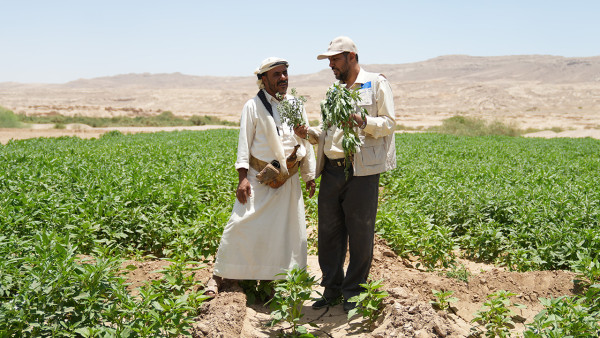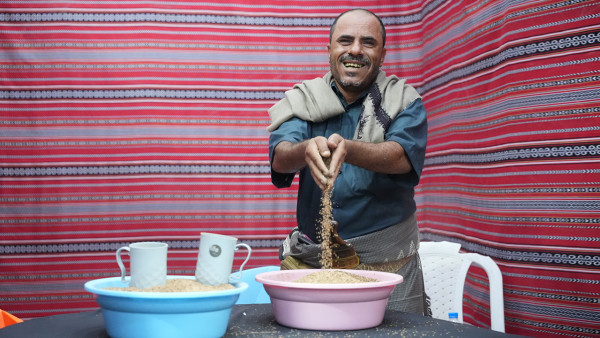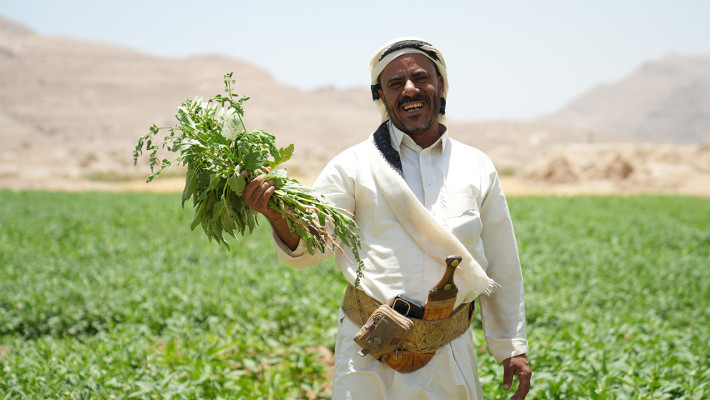
Around ten years ago, sesame fields stretched across most of Ghaleb’s farm (43 years old) in Marib Governorate, forming his primary source of income. However, years of conflict and difficult economic conditions completely changed the situation. Demand dec1lined, costs increased, and agricultural pest problems worsened. This forced him, like many others, to shift toward alternative crops.
“I was not the only one who stopped growing sesame; hundreds of farmers made the same decision, as the circumstances were beyond our capacity,” says Ghaleb, who has spent more than 30 years in agriculture.
Amid this challenging reality, the Sesame Value Chain Development Project, implemented under SIERY project, came to restore hope and offer farmers a new opportunity to return to this strategic crop.
Recalling that moment, Ghaleb states:
“We stopped cultivating sesame for nearly 15 years, but this project brought hope back to us again.”
Ghaleb, along with 200 farmers, received a comprehensive support package that included improved sesame seeds, fertilizers, harvesting tools, and specialized training in modern agricultural techniques. He also benefited from access to a laboratory for crop testing and obtaining quality certification.
Thanks to this support, Ghaleb was able to cultivate approximately 11 acres of sesame and market his produce locally.
“This project not only encouraged me to return to sesame farming but also revitalized many other farmers,” He adds.
At the project’s conclusion, Ghaleb participated in the Sesame Festival organized as part of the project activities, where he stood on stage sharing his inspiring experience, a living testament to the revival of sesame cultivation.
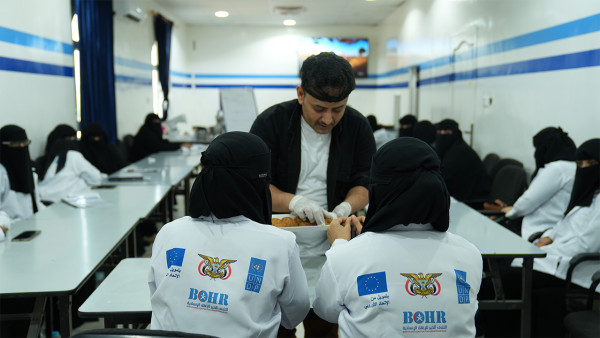
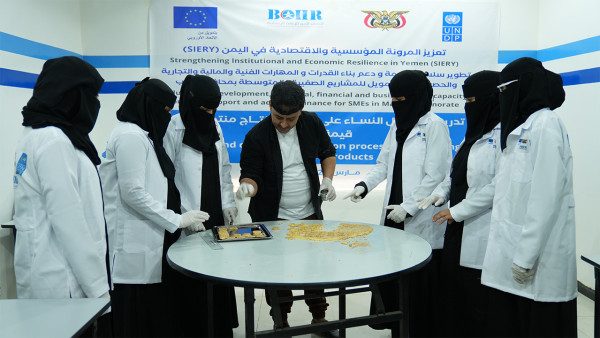
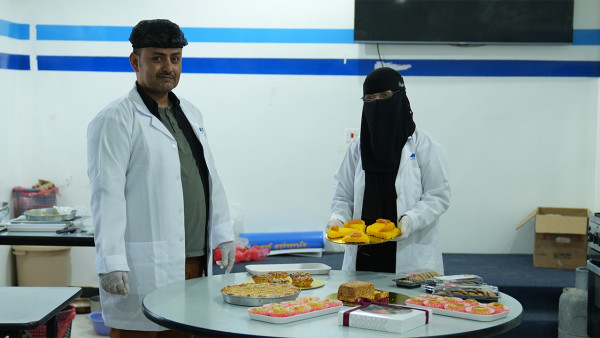
Ghaleb’s story is only one link in an integrated chain. The project also included training 80 women entrepreneurs in high-value sesame-based industries to enhance the market value of sesame products.
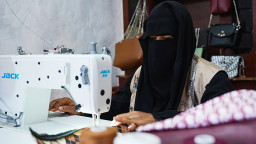
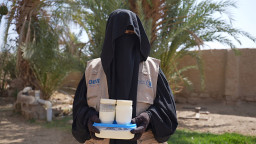
Shaima, one of the trainees, believed in her right to be productive and influential in her community. Through the program, she learned how to produce tahini halva from sesame and discovered its diverse uses in soap, shampoo, scrubs, and body lotions. She also received training in branding and was granted a startup toolkit to start her own business.
Today, Shaima has already begun producing her goods from home, with encouraging results.
“Alhamdulillah, the experience has been successful,” She says proudly.
In addition, the project supported 100 SMEs specialized in sesame processing to design innovative business models that enhance the crop’s value. It also established an Agricultural Business Center to provide training and advisory services to farmers, created an Entrepreneurship Center, rehabilitated the Agricultural Research Center, and set up a genetic resources laboratory to improve sesame quality, along with a seed cleaning unit.
This integrated set of activities has successfully revived sesame cultivation, which had largely disappeared from local markets due to the impacts of conflict and economic hardship.
The project was implemented with generous support from the European Union, in effective partnership between the UNDP and BCHR.