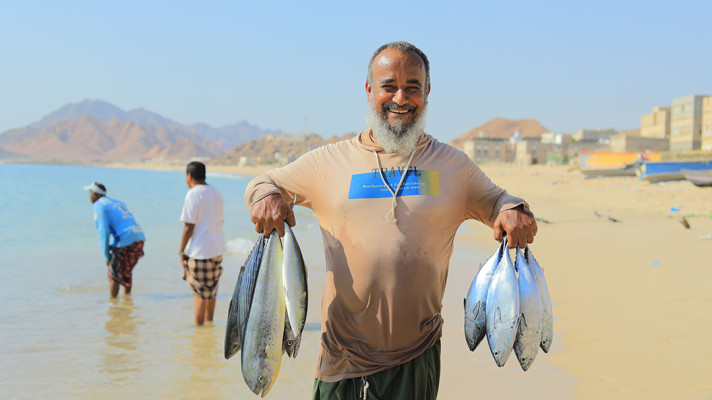
Just three years ago, the shores of Broom bore witness to the daily struggles of fishermen facing severe challenges. Fishing boats frequently broke down, while the quality of fish products deteriorated due to the absence of modern preservation facilities.
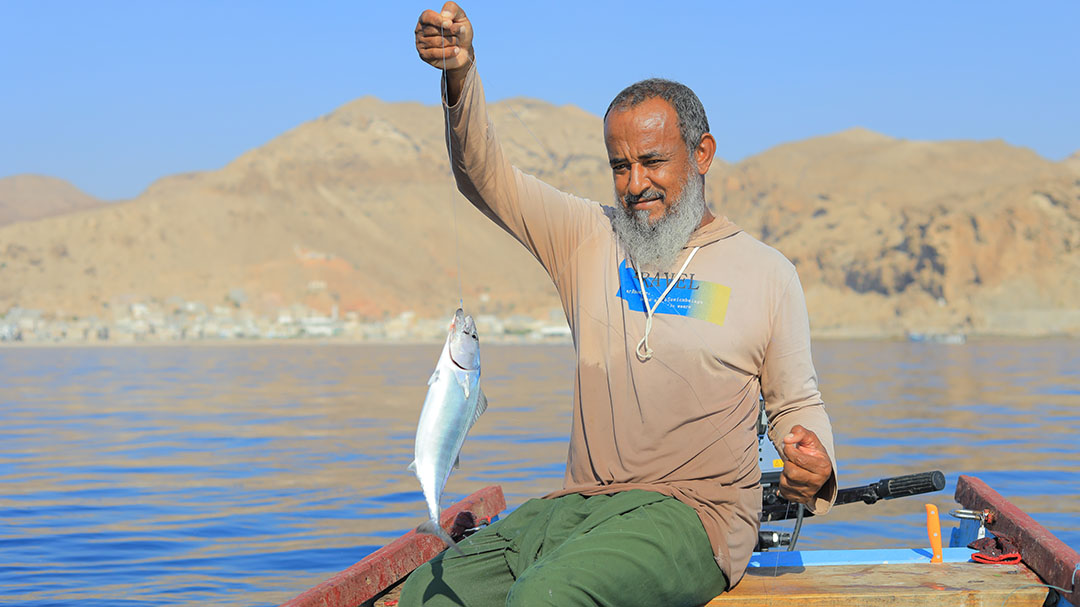
Faisal, a fisherman with more than 30 years of experience, recalls those difficult days:
“The fish landing site was nothing more than a small, dilapidated sale yard, lacking even the most basic hygiene standards. This directly affected fish quality and significantly reduced market value.”
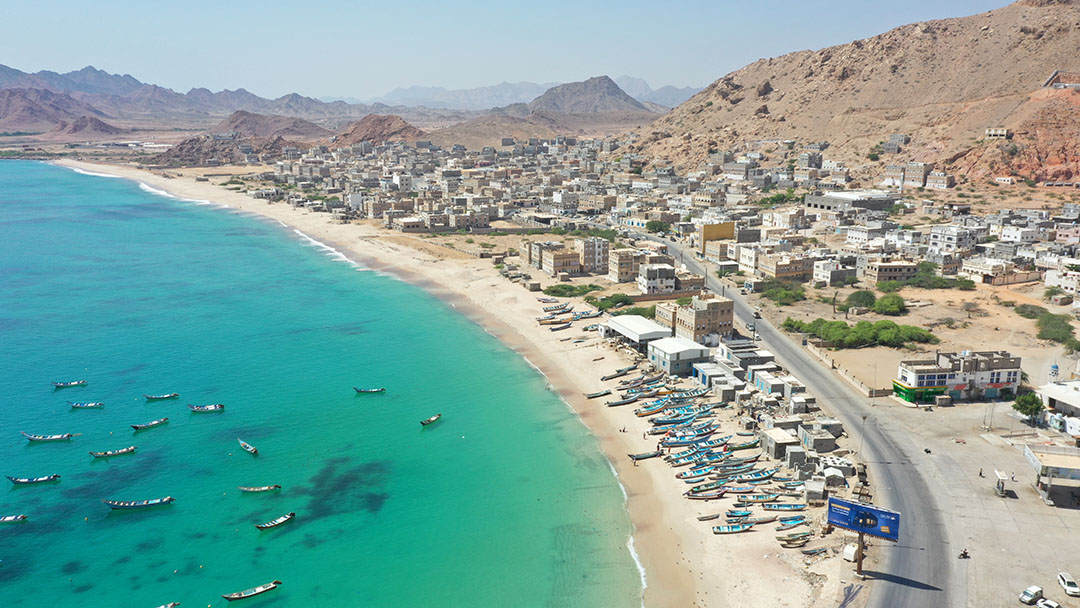
The crisis extended beyond marketing. In the absence of an ice plant in the area, fishermen were forced to travel long distances to Mukalla to purchase ice at high prices, or face two equally difficult options: drying fish to prevent spoilage, or selling it quickly at very low prices before it deteriorated.
Boat breakdowns also represented a major financial burden. Fishermen had to transport boats or engines to Mukalla or Al-Shihr for repairs, incurring high transportation and maintenance costs. Fishing gear was stored in rudimentary wooden boxes, exposing it to fire and theft and resulting in losses amounting to millions of Yemeni riyals.
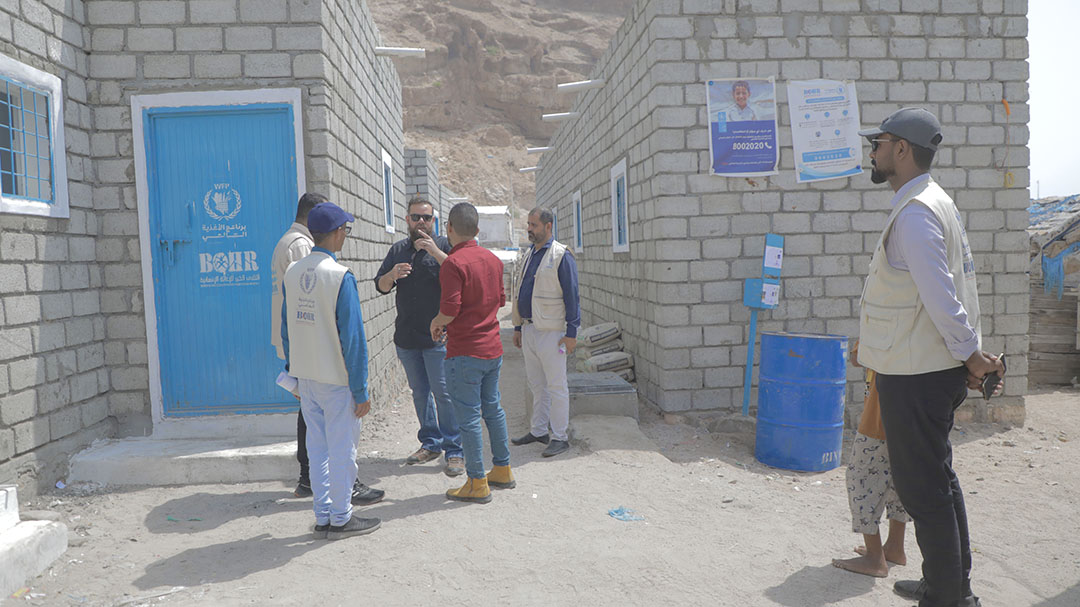
As despair began to take hold, BCHR, under the supervision of the WFP, conducted a field assessment to identify the needs of fishermen in the district.
The findings were clear: the fisheries sector in Broom did not require short-term assistance, but rather comprehensive infrastructure to restore livelihoods sustainably.
Just three years ago, the shores of Broom bore witness to the daily struggles of fishermen facing severe challenges.
Fishing boats frequently broke down, while the quality of fish products deteriorated due to the
absence of modern preservation facilities.
Faisal, a fisherman with more than 30 years of experience, recalls those difficult days:
“The fish landing site was nothing more than a small, dilapidated sale yard, lacking even the most basic hygiene standards. This directly affected fish quality and significantly reduced market value.”
The crisis extended beyond marketing. In the absence of an ice plant in the area, fishermen were forced to travel long distances to Mukalla to purchase ice at high prices, or face two equally difficult options: drying fish to prevent spoilage, or selling it quickly at very low prices before it deteriorated.
Boat breakdowns also represented a major financial burden. Fishermen had to transport boats or engines to Mukalla or Al-Shihr for repairs, incurring high transportation and maintenance costs. Fishing gear was stored in rudimentary wooden boxes, exposing it to fire and theft and resulting in losses amounting to millions of Yemeni riyals.
As despair began to take hold, BCHR, under the supervision of the WFP, conducted a field assessment to identify the needs of fishermen in the district.
The findings were clear: the fisheries sector in Broom did not require short-term assistance, but rather comprehensive infrastructure to restore livelihoods sustainably.
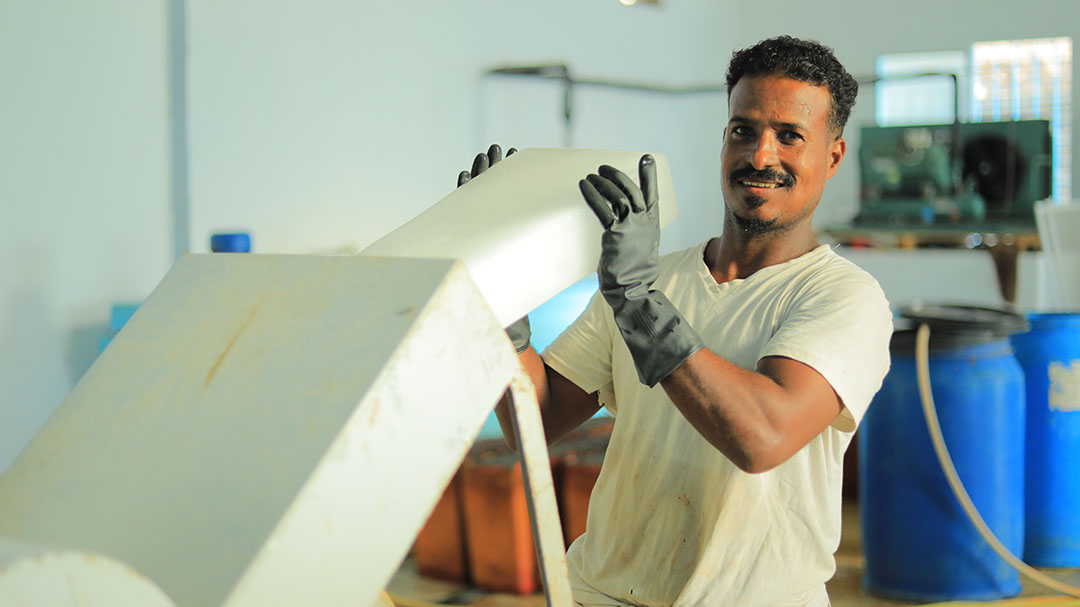
It began with the construction of a modern fish landing center, built as a replacement for the old facility that was destroyed by Cyclone Chapala. The new center provides a clean, safe environment for displaying and marketing fish. The project also included the construction of a renewable energy-powered ice plant that produces high-quality ice, ensuring that fish reach consumers fresh while protecting fishermen from financial losses.
The project also included the construction of a boat service center, providing maintenance and repair services for boats and engines just meters from the shore. This has saved fishermen considerable time, effort, and money. In addition, secure storage facilities for fishermen were established to protect their equipment from damage and fire, giving them greater peace of mind.
Today, following these integrated interventions, the fisheries sector in Broom is thriving once again. Production has improved, fish quality has increased, and fishermen’s incomes have grown, making them more resilient in the face of challenges.
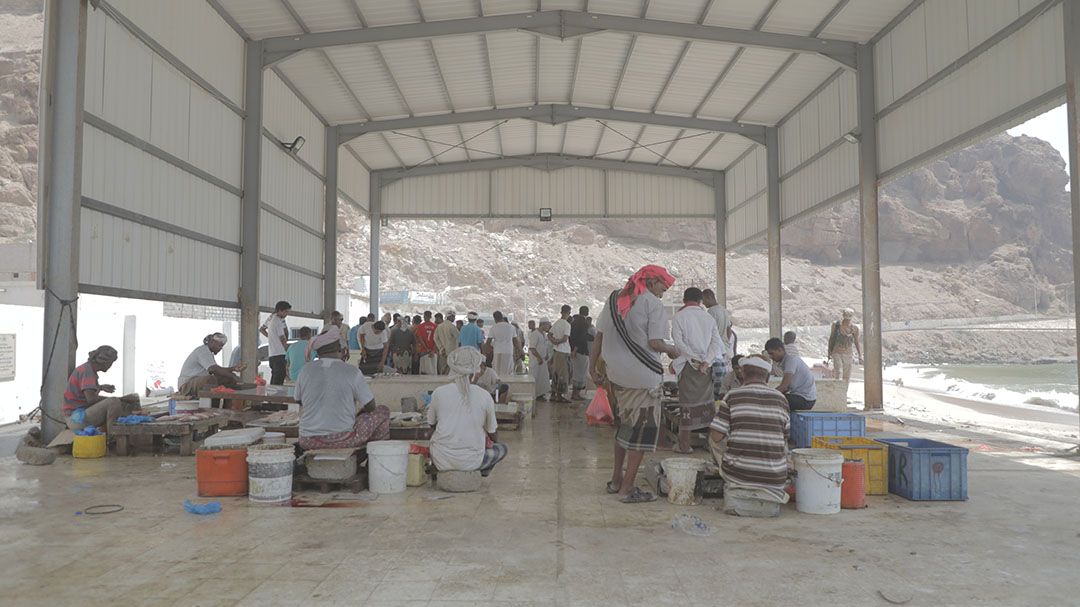
Faisal says:“Thank God, after the project, the landing center has become clean. The ice plant now operates on solar energy and allows us to cool the fish immediately if they are not sold right away. We can also repair our boats easily and store our equipment in secure facilities without worrying about fire or theft.”
Today, Faisal and 300 other fishermen are able to carry out their work more safely, while increasing their production and income with greater ease.
Hani Ahmed, Director of the Broom Fishermen’s Association, notes that the project’s interventions have transformed the difficult conditions faced by fishermen into a much better situation, while also improving the performance of both the association and the fishermen.
This transformation was made possible thanks to the generous support of the German Federal Ministry for Economic Cooperation and Development (BMZ) and the King Salman Humanitarian Aid and Relief Centre (KSrelief), under the supervision of the World Food Programme (WFP).