From the field to the school kitchen, to nutritious meals that restore students’ focus. How did the school feeding project in Tarim, Hadramout, evolve from simply providing meals into an integrated chain that revitalizes the local economy?
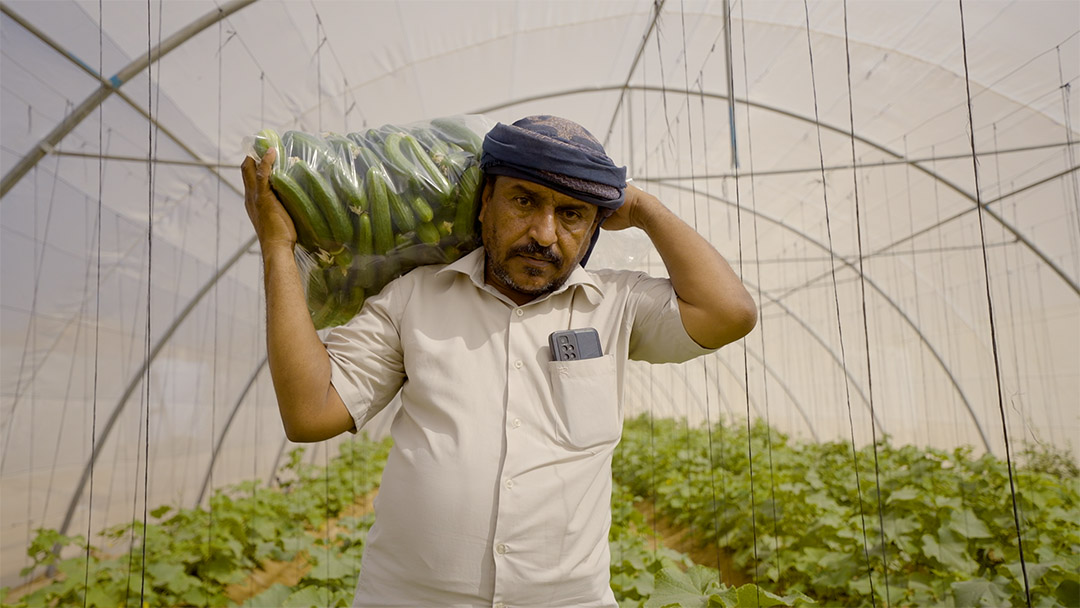
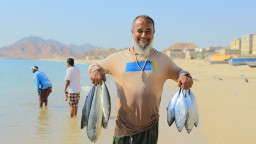
The family of Abdulaziz Al-Jabri is a small model of the project’s success. Abdulaziz, a farmer in his fifties who supports a family of eight, has seen his farm transformed into a vital source of food supply. Thanks to the project purchasing his crops—such as cucumbers and zucchini—his income has improved and his economic situation has stabilized.
“Through the school feeding project, I have been able to cover most of my household needs, ” said Abdulaziz .
Beyond the economic support, Abdulaziz feels great comfort knowing that his produce reaches his own children at school, truly embodying the idea: “We eat from what we grow.”
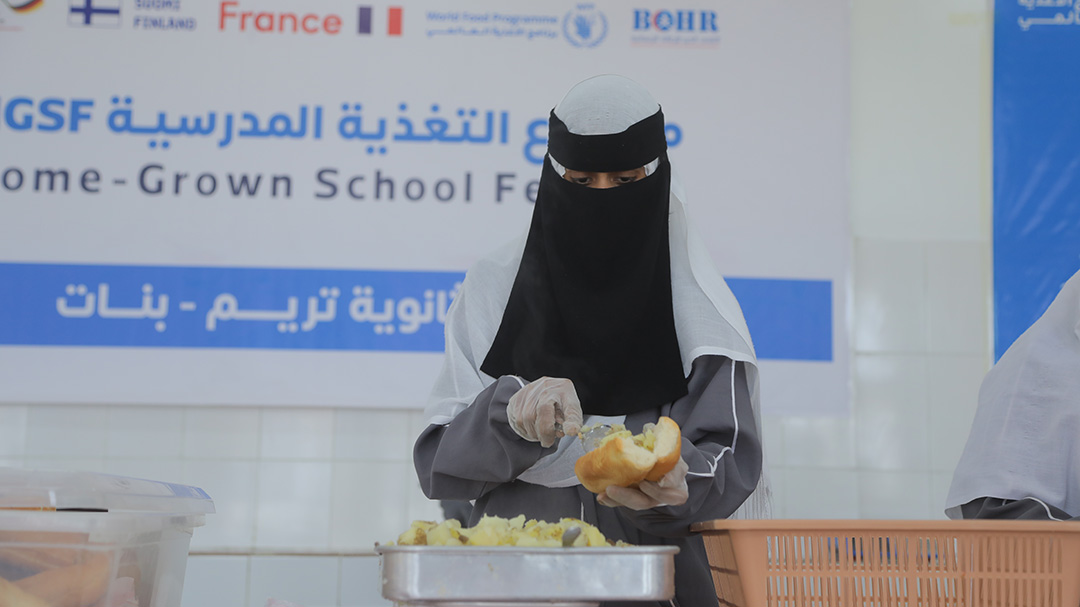
On the other hand, Abdulaziz’s wife, Umm Mansour, contributes by preparing healthy meals in the school kitchen. Once a housewife, she is now a productive worker.
“Now, thank God, I am helping support my family and responsibilities," said Umm Mansour. “I feel happy and proud to be one of the workers preparing meals for our students,” she added.
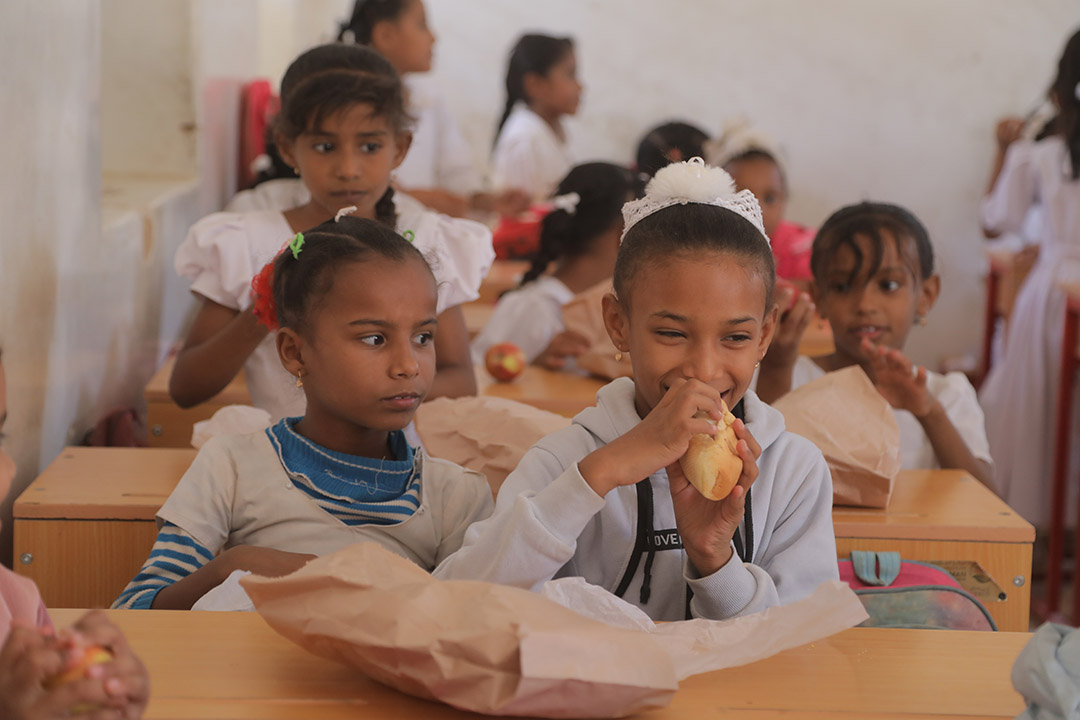
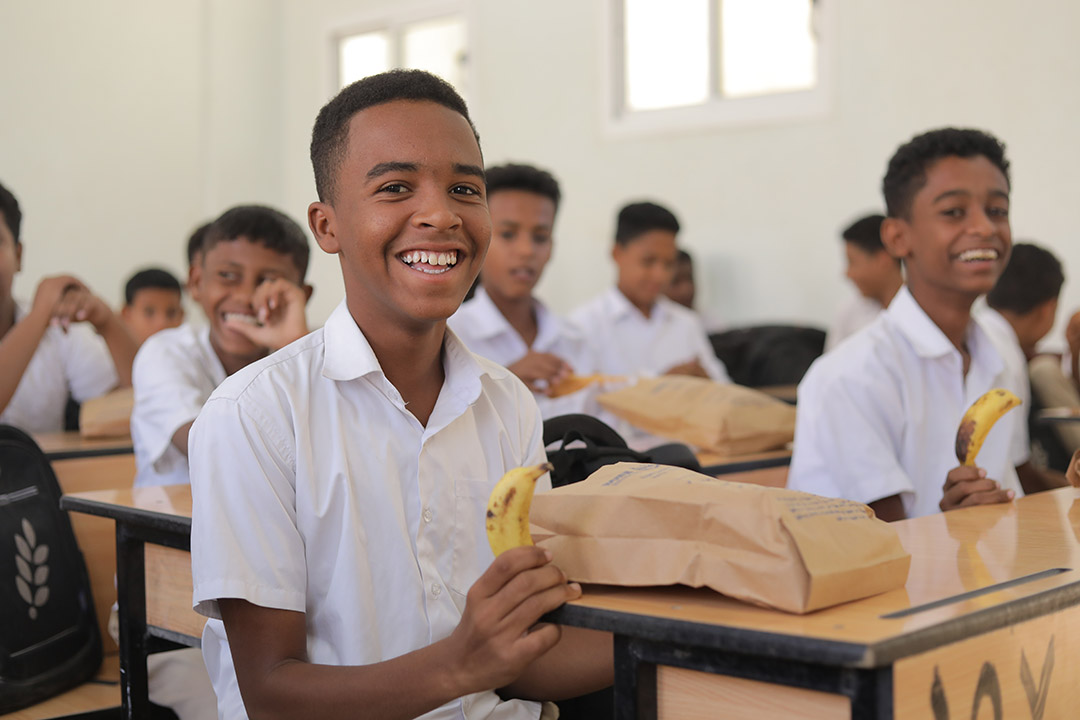
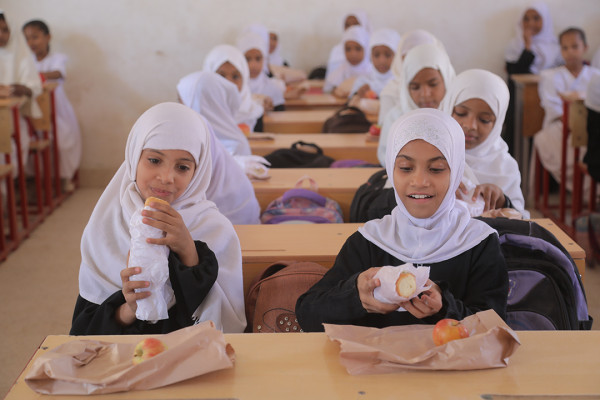
In the classroom sits their son Mansour (11 years old), a fourth-grade student, who—along with 19,386 students—receives daily nutritious meals that reflect the true impact of the project. Mansour describes the meals as “tasty and healthy” and is especially happy when his favorite dish—eggs—is served. He confirms that these meals give him “energy and vitality,” and help him return to class with better focus.
The story does not end here. By collecting and sorting food waste scientifically, natural organic fertilizer is produced and redistributed to farmers who supply their products to the project—thus promoting environmental sustainability.
It is a connected chain of activities that strengthens farmers’ resilience, empowers women, revitalizes the local economy, and enhances children’s health while supporting their education.
This was made possible through the generous support of the World Food Programme (WFP), and the committed efforts of the local partner BCHR.